Storm Goretti to Batter Britain: Experts Reveal How to Protect Your Home Before 60mph Winds Hit
UNITED KINGDOM / AGILITYPR.NEWS / January 07, 2026 / Met Office weather warnings have revealed that the UK could be in for further heavy snow, accompanied by strong winds of up to 60mph, as the UK’s first named storm of the season, Storm Goretti, looks set to wreak havoc across the nation.
According to the Met Office, the average cost of storm damage is at least £300 million per storm, with a large proportion of that damage affecting homeowners.
Sales Director of Localists.com, Michael Marshall, said that just days after Storm Darragh passed in 2024, demand for roofers and fencers jumped by over 50% year-on-year.
“Storm Darragh caused widespread damage for homeowners, particularly across western regions such as Wales, Devon and Somerset,” he said. “Demand for roof repairs and tree surgery surged, with requests for local roofers rising by 52%, while fence repair enquiries increased by 59% during this period.”
Marshall also noted that tree surgeons and gutter cleaners experienced sharp increases in demand, reporting a 31% and 28% rise in service requests, respectively.
In light of reports that Storm Goretti may soon reach UK shores, Scott Abram-Evans, Home & Garden expert at Localists.com has provided a checklist of things homeowners should check before the storm hits.
1) Clear your pipes
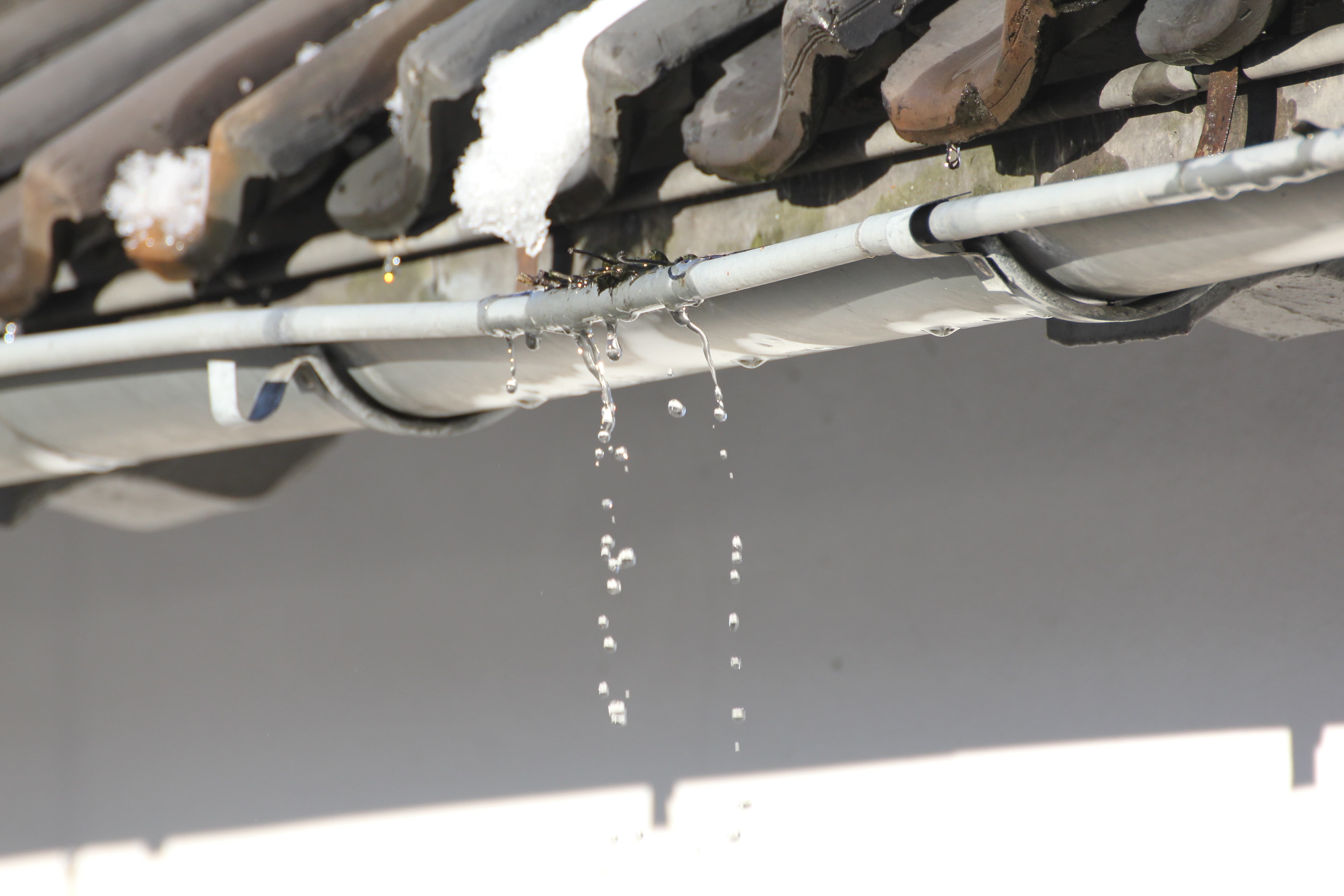
Ensure your guttering and pipes are securely fixed and free from debris. Heavy rain combined with strong winds and blocked gutters can cause water to back up under roof shingles, leading to leaks or rot. Additionally, water pooling around your home’s foundation can cause cracks as it freezes and expands during winter.
2) Check your roof
Inspect your roof for missing or damaged tiles or shingles and replace them where possible using roofing adhesive or nails, ensuring they overlap correctly with surrounding tiles. If you spot small leaks, roofing cement can be used as a temporary fix until a professional can carry out proper repairs.
Also check for gaps, cracks or deteriorating flashing around vents, skylights and chimneys, as these areas are particularly susceptible to leaks. Applying a waterproof sealant (after cleaning the area thoroughly) can help prevent water ingress.
3) Prune and secure your trees
If you have trees in your garden, inspect them for loose or overhanging branches and remove them where possible. These can become hazardous in high winds and may cause damage if they break off. Smaller leaning trees can often be straightened using a stake driven into the ground with rope or string. Larger trees may require cabling, in which case it’s best to call out a local tree surgeon.
4) Secure your fences
Rotting posts are often the main reason fence panels become loose or blow over in strong winds. Inspect fence posts carefully, particularly at ground level where rot is most common. If you notice partial rot or breakage, repair kits such as post buddies, concrete repair spurs or fence post support spikes can often be used to reinforce the structure.
5) Secure loose items in your garden
Plant pots, trampolines and garden furniture are especially vulnerable to high winds. If possible, store them temporarily in a shed or garage. If storage space is limited, secure items using bungee cords or zip ties. Free weight plates can also be used as temporary weights (at least 20kg) to hold items down but be cautious as metal weights can rust if left outside.
For more information, visit: Localists.com
Contacts