The Christmas Warehouse Squeeze: Why Temporary Storage Can Create Permanent Safety Problems
UNITED KINGDOM / AGILITYPR.NEWS / November 24, 2026 / Pallet Trucks UK is warning warehouse managers against solving seasonal stock pressure by filling every spare metre of floor. With Christmas inventory arriving at already busy sites, the company says temporary storage is one of the easiest ways to turn a short-term problem into a lasting safety risk.
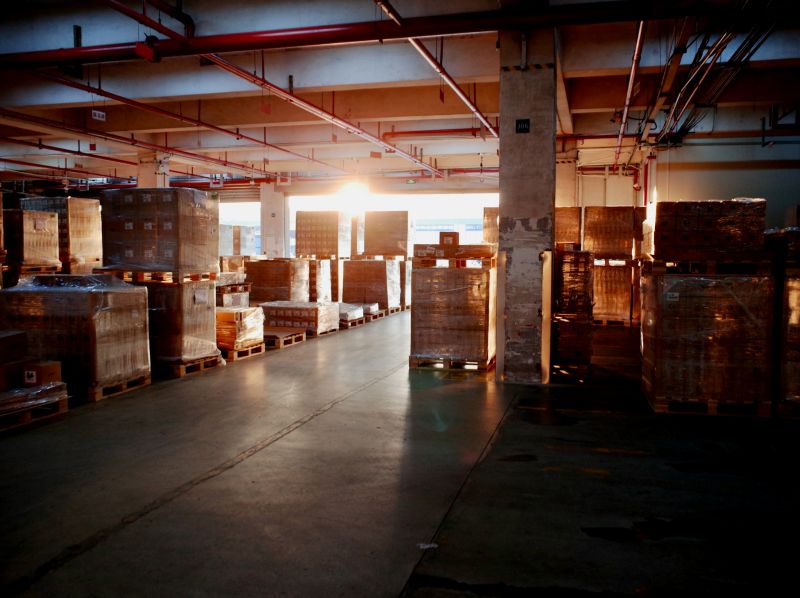
No one sets out to make the warehouse unsafe, but then a few pallets are left at the end of an aisle, a row creeps closer to the walkway, a loading area becomes overflow space. Put together, each of these things narrows the room that people and handling equipment rely on. A pallet truck, stacker or lift table needs space to approach a load squarely, turn and pull clear without catching the stack behind it. When that space disappears, operators are pushed into awkward angles and tighter manoeuvres.
The Workplace (Health, Safety and Welfare) Regulations 1992 require workplaces to be organised so that pedestrians and vehicles can circulate safely, and floors and traffic routes must be kept free from obstructions so far as is reasonably practicable. A temporary arrangement does not get a pass because it will only last until January.
Phil Chesworth, Managing Director of Pallet Trucks UK, said, “When stock arrives faster than space can be found, the pressure to just fit it in is huge. But a pallet left across a walkway is a trip hazard for people and a blocked route for a truck, and it often stays put long after the rush has passed. Before anything new goes down, ask whether a pallet truck can still reach every location, turn at the end of the aisle and leave without something else being moved first.”
Pallet Trucks UK suggests marking temporary bays on the floor with the same care given to permanent racking, so overflow has a defined home outside the walkways. Slower-moving lines can go to the back of the building or an unused corner, keeping fast sellers close to dispatch. Where the weight allows, stock can be consolidated onto fewer, fuller pallets, provided loads stay within the rated capacity of the trucks and racking in use.
Equipment suitability matters too. Seasonal ranges often bring oversized or irregular loads, and a crowded layout can leave gaps that a wider truck struggles to use.
Whenever the layout changes, the company recommends checking that the trucks in use still match the pallets and spaces they are being asked to handle - and that the site’s risk assessment keeps the new arrangement in account.
For more information, please visit: www.pallettrucksuk.co.uk.
Contacts
Dakota Digital
hello@dakotadigital.co.uk