Wetlands: Britain's Climate Superheroes – and dragonflies are showing us why they matter
UNITED KINGDOM / AGILITYPR.NEWS / August 27, 2026 / As Britain faces one of its driest summers on record, the British Dragonfly Society is highlighting the vital role healthy wetlands can play in helping our landscapes cope with extreme weather, and why dragonflies can be powerful ambassadors for their protection.
More than 70% of England is currently in drought, while rivers, groundwater, and reservoirs remain under pressure. Recent rainfall has provided some temporary relief, but the latest Environment Agency figures show that a quarter of monitored river sites are still classed as exceptionally low.
At the same time, the Environment Agency has published new guidance recognising nature-based solutions, including ponds, wetlands, and peatland restoration, as part of a more resilient approach to water management. These natural solutions can help capture and slow rainfall, store water and, support healthier ecosystems.
For the British Dragonfly Society, this is about more than water.
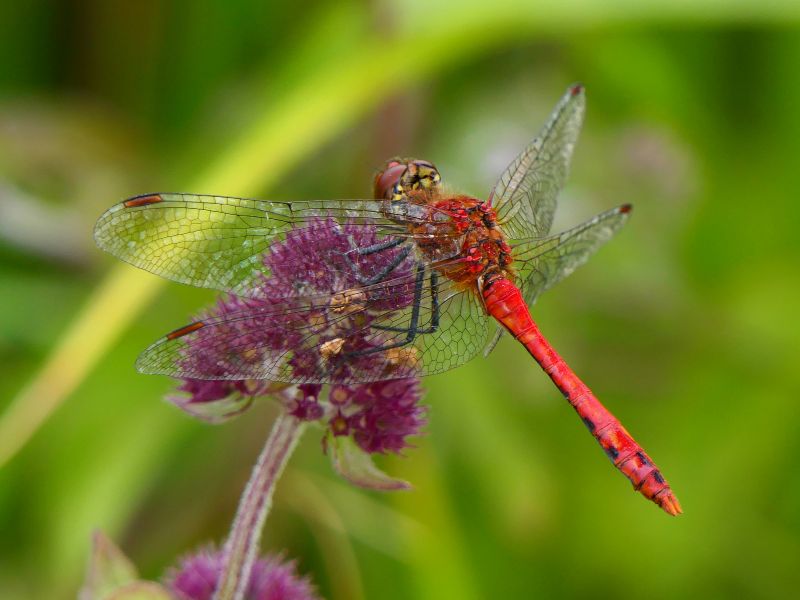
“Dragonflies are often thought of as creatures of summer, but they are fundamentally wetland insects,” says Lauren Kennedy, Engagement Officer at the British Dragonfly Society.
“Most of a dragonfly's life is spent underwater as a larva. So when we create and restore ponds and wetlands, we're creating the conditions that dragonflies need to survive, while also helping the wider landscape become more resilient to extreme weather.”
There is strong evidence of what can happen when lost habitat is restored.
Over recent winters, more than one hundred pool complexes have been restored in a British Dragonfly Society project at Corrour Estate, Scotland. Working in partnership with the estate and funded by the Nature Restoration Fund, managed by NatureScot, pools were restored for five rare dragonfly species including Azure Hawker Dragonfly. “Summer surveys of the restoration area found larvae of all three target species, with over 40% of the restored pools holding Azure Hawker larvae.” said Emma Veitch-Stevens, BDS Project Officer. “This dragonfly spends up to five years in the water before emerging as an adult, so resilient pools are vital.”
Across Britain, the British Dragonfly Society works with partners and landowners to create, restore and protect the freshwater habitats dragonflies depend on.
The Society's work includes restoring ponds and wetlands, expanding Dragonfly Hotspots and providing advice and expertise to help make habitats better for dragonflies and other wildlife.
But the need is growing.
“Climate change means we're likely to face more extremes, periods of drought followed by intense rainfall,” says Pam Taylor, Chair of Trustees at the British Dragonfly Society. “We need landscapes that can cope, and healthy wetlands are part of the answer.”
The British Dragonfly Society has launched its Help Dragonflies Thrive campaign to raise funds for the future of dragonflies and their habitats across the UK. No donation is too small! £15 could fund a Youth Membership, giving a young person their first real connection to dragonflies and wetlands. Larger gifts could go towards protecting an entire threatened species, or funding a full year of community events, training and habitat restoration.
“There’s something incredibly special about watching dragonflies and damselflies arrive at a pond you’ve created and seeing them breeding there. It’s a reminder that when we provide the right habitat, wildlife really can respond. The British Dragonfly Society does vital work protecting these wonderful insects and the places they depend on, and I’m incredibly proud to be one of their Ambassadors. If you can support this campaign, please do.” Joel Ashton, Author and founder of Wild your Garden, British Dragonfly Society Ambassador
Find out more at https://british-dragonflies.org.uk
Contacts
Dakota Digital
hello@dakotadigital.co.uk